
Selling 10 acres of timber in East Canton, Ohio
We got this landowner $30,261 for his timber in Stark County
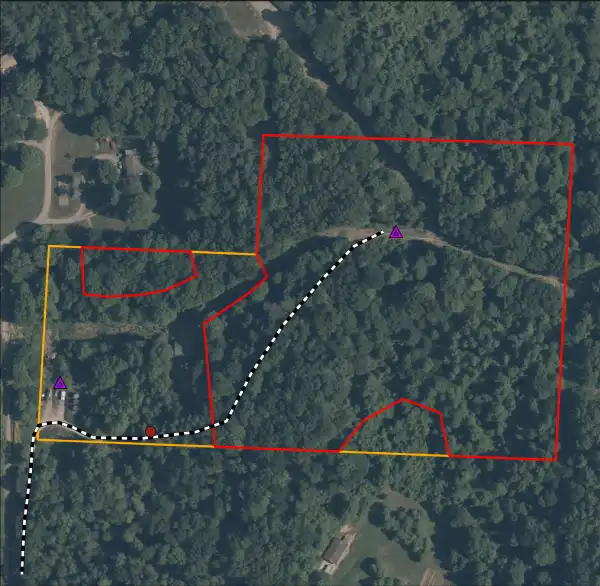
Planning to sell timber in Stark County
A landowner in Stark County owned property with valuable limestone beneath the surface and planned to have it quarried and sold. Before quarrying began, he wanted to remove and sell the mature hardwood trees on the site so their value would not be lost once the quarrying operations started.
After working for years in the tree service business, he knew better than to deal one-on-one with loggers or sawmills. Rather than risk being underpaid, he asked us to handle the sale and get him the maximum market value for his timber. Here is how we did it.
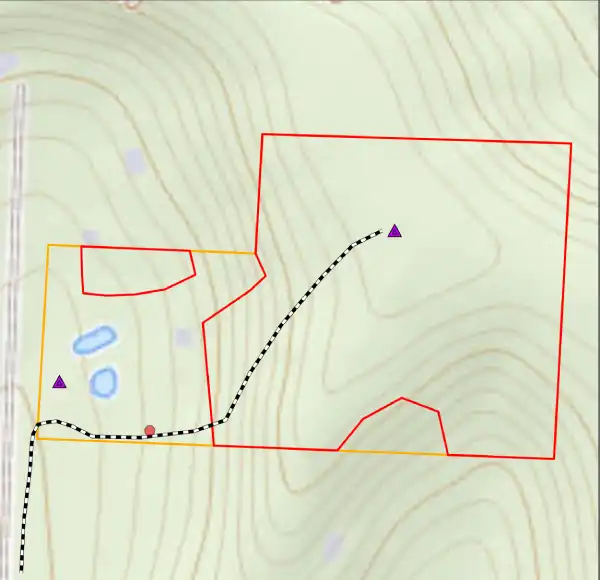
Creating a timber harvest plan
On January 27, the owner called and explained his situation, and asked us to meet him on-site to look over the property. We visited the following week and found a solid volume of mature timber, along with some challenging terrain that would require careful planning before any harvest could begin.
It was clear he needed an experienced forester to properly locate and mark the property boundaries, design an effective skid road layout, and develop a harvest plan that made sense for the land. He acknowledged that this was beyond his own capabilities. After walking the property and discussing the project, he hired us on the spot to handle the timber sale and oversee the harvest from start to finish.
Selecting the timber to sell
The landowner planned to clear-cut the mature timber from the eastern portion of his property, along with select areas in the northwest, to allow access to the limestone beneath the surface.
That did not mean he viewed the timber as an afterthought or was willing to hand it over to a local mill for whatever price was offered. He wanted the timber treated as a separate asset and sold for full market value, independent of his plans to quarry the limestone.
Here is what we found.
| Species | Trees | Total BFV | % of BFV | Avg. DBH |
|---|---|---|---|---|
|
American beech |
8 |
892 |
1.3 |
19.4 |
|
Aspen |
5 |
813 |
1.2 |
18.2 |
|
Black cherry |
7 |
1,129 |
1.7 |
19.1 |
|
Black gum |
5 |
659 |
1.0 |
18 |
|
Black oak |
42 |
13,099 |
23 |
22.8 |
|
Basswood |
2 |
432 |
<1.0 |
20.5 |
|
Chestnut oak |
21 |
4,289 |
6.6 |
20.8 |
|
Grey elm |
1 |
232 |
<.10 |
22 |
|
Sassafras |
3 |
449 |
<1.0 |
18.7 |
|
Soft maple |
59 |
13,854 |
.21.4 |
20.7 |
|
Scarlet oak |
7 |
1,602 |
.2.4 |
22.6 |
|
Yellow poplar |
88 |
27,004 |
41.9 |
20.7 |
|
TOTAL |
248 |
64,456 |
100 |
20.9 |
BFV = Board Feet Volume, which calculates the amount of lumber in a tally
DBH = Diameter at Breast Height, which is the standard place to take this measurement
Getting competitive bids from multiple timber buyers
Once the inventory was complete, we prepared a formal Notice of Standing Timber Sale and distributed it to qualified, reputable loggers with a proven record of doing good work.
As with every timber sale we manage, the prospectus included all the information bidders needed to evaluate the sale properly, including:
• the timber location
• authorization and timeframes to inspect the stand
• harvest requirements and operational restrictions
• the sale method, sealed bids in this case
• bid submission instructions and deadlines
• payment terms and contract conditions, including bonds, insurance, and harvest timelines
We invited twenty different logging companies to submit bids, avoiding one of the most common and costly mistakes landowners make — calling a local sawmill and accepting the first offer.
Our process guarantees you get full market value, and this timber sold for $30,261
Because the timber stand was relatively small, and the terrain it stood on was challenging, we expected to receive bids not much higher than about $25,000. When all was said and done, however, we received 6 bids in the following amounts:
| Bid amount | $ per board-foot |
|---|---|
|
$30,261 |
.469 |
|
$28,850 |
.447 |
|
$26,777 |
.415 |
|
$26,600
|
.412 |
|
$26,200 |
.406 |
|
$20,500 |
.318 |
The difference between bids was substantial. The highest bid came in at $30,261 and was 12.7% higher than the next closest offer. It was also nearly $10,000 higher, about 50% more than the lowest bid.
That spread alone shows what can happen when timber is exposed to the open market and marketed by an experienced forester, instead of being shown to a single mill or logger.
Without competition and professional representation, landowners routinely leave large sums of money on the table.
Our client accepted the top bid the following day and immediately received a deposit of $7,565.25, which was 25% of the total sale price. A formal harvest contract has been prepared and will be signed by both parties before March 30. Harvest is scheduled to begin in the second week of April. Before any equipment enters the property, the logger will pay the remaining $22,695.75, which represents the final 75% of the sale price.
Key takeaways from this timber sale
- Top-dollar price obtained via competitive bidding
- A hassle-free harvest
- Landowners 100% satisfied
MORE: Learn how we managed a similar-sized timber sale in Muskingum County.
- Minimum: 10 wooded acres or 50 mature trees.